Recycling and Sustainability at West Ealing Storage
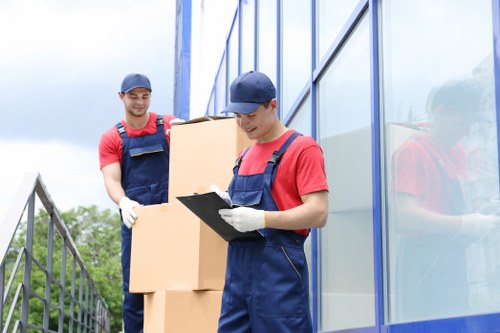 At West Ealing Storage, recycling and sustainability are built into the way the site operates, from everyday waste handling to the movement of goods in and out of storage. Our approach to storage recycling is designed to keep useful materials in circulation for longer, reduce landfill dependency, and support the wider local circular economy. We aim to achieve a 75% recycling rate across operational waste streams, with continuous review of sorting practices, contractor performance, and staff training to help us improve year on year.
That target reflects more than a single metric. It also shapes how we think about packaging, timber, cardboard, plastics, metals, and redundant office materials. By encouraging clear separation at source, we make it easier for recyclable items to be processed properly rather than mixed with general waste. In day-to-day terms, this means prioritising waste separation, keeping a close eye on contamination, and choosing disposal routes that are more resource-efficient.
 Because West Ealing Storage serves customers across a busy urban area, we also pay attention to the realities of local waste infrastructure. Nearby transfer stations play an important role in consolidating recyclable loads and redirecting materials into specialist recovery facilities. Where appropriate, waste from the site is taken through local borough-approved channels that support distinct streams such as mixed dry recycling, cardboard, wood, and metal. This borough-by-borough approach to sorting helps reinforce better separation habits and supports the practical demands of city-based recycling.
Local Recycling Practices and Material Recovery
West Ealing Storage follows a practical sustainability model that recognises the local variation in how waste is collected and treated. In some boroughs, residents and businesses are encouraged to separate paper, glass, cans, and plastics into different containers, while other areas use co-mingled collections that are sorted later at recovery facilities. We work with this wider system by ensuring our own site maintains a clear and structured recycling workflow, making sure materials are sorted before they enter the local network.
We give particular attention to the types of material most commonly generated in storage operations. Cardboard from moving boxes, shrink wrap, damaged shelving components, and offcuts from fit-outs can often be recovered rather than discarded. Responsible recycling also extends to smaller items such as batteries, light fittings, and electronic accessories, which require specialist handling. These materials are separated carefully so they can be sent to the right facilities and managed in line with local regulations.
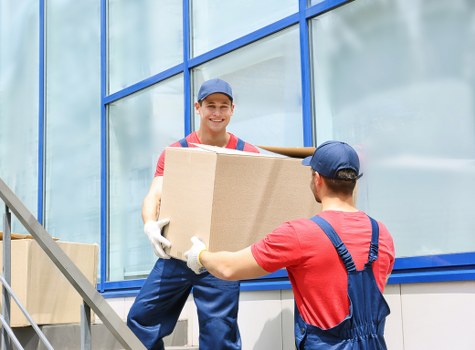 A key part of the sustainability strategy is limiting avoidable waste in the first place. Customers and teams are encouraged to re-use boxes, pallets, and packing materials when possible, and to keep reusable items in circulation rather than replacing them too early. This emphasis on reuse sits alongside recycling and helps reduce the volume of waste entering local transfer stations. It also supports a simpler, cleaner material stream, which can improve recovery outcomes and reduce contamination in mixed loads.
Charitable Partnerships and Reuse
Our recycling and sustainability programme includes partnerships with charities and community organisations that can put surplus goods to use. Items that are no longer needed for storage or operational purposes but are still in good condition may be redirected to charitable groups, helping extend the life of furniture, household goods, or business equipment. This is a valuable complement to recycling because it prioritises reuse before processing, which typically has a lower environmental impact than breaking materials down for recovery.
These partnerships also reduce pressure on waste streams by keeping usable items out of disposal channels. Where suitable, donated goods can support community projects, local hardship relief, or resale activities that fund charitable work. In sustainability terms, this creates a better outcome than treating everything as waste. It strengthens the link between responsible storage operations and local social value, while giving materials a second life in a meaningful way.
We also recognise that charities often depend on reliable material quality, so items are assessed carefully before being passed on. Broken goods, contaminated packaging, and unsafe materials are kept separate from donation routes and sent through the correct recycling channels instead. This careful triage helps ensure that both the recycling system and charitable partners receive appropriate, workable materials.
Low-Carbon Transport and Smarter Operations
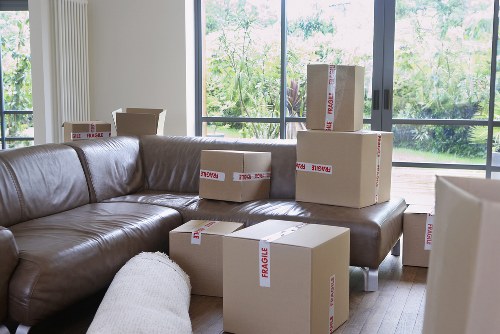 Transportation is another area where West Ealing Storage is reducing environmental impact. Our low-carbon vans are chosen to lower emissions on local journeys, particularly for collections, deliveries, and inter-site movements. By using more efficient vehicles, planning routes carefully, and reducing unnecessary mileage, we cut the carbon footprint associated with everyday logistics. This is especially important in densely populated boroughs, where stop-start traffic can quickly increase fuel use and emissions.
Alongside vehicle choice, operational planning plays a major role. Loads are consolidated where practical so fewer journeys are needed, and vehicle capacity is used efficiently to avoid half-empty runs. This approach supports both emissions reduction and better resource use. It also aligns with the wider sustainability goals of the area, where cleaner transport and improved waste handling increasingly go hand in hand.
 Looking ahead, West Ealing Storage will continue refining its recycling performance, strengthening local partnerships, and investing in lower-impact logistics. By combining a clear recycling percentage target, access to local transfer stations, charitable reuse routes, and low-carbon vans, the business is building a more responsible model for storage operations. The result is a system that supports both the environment and the local community, while keeping sustainability practical, measurable, and embedded in everyday working life.