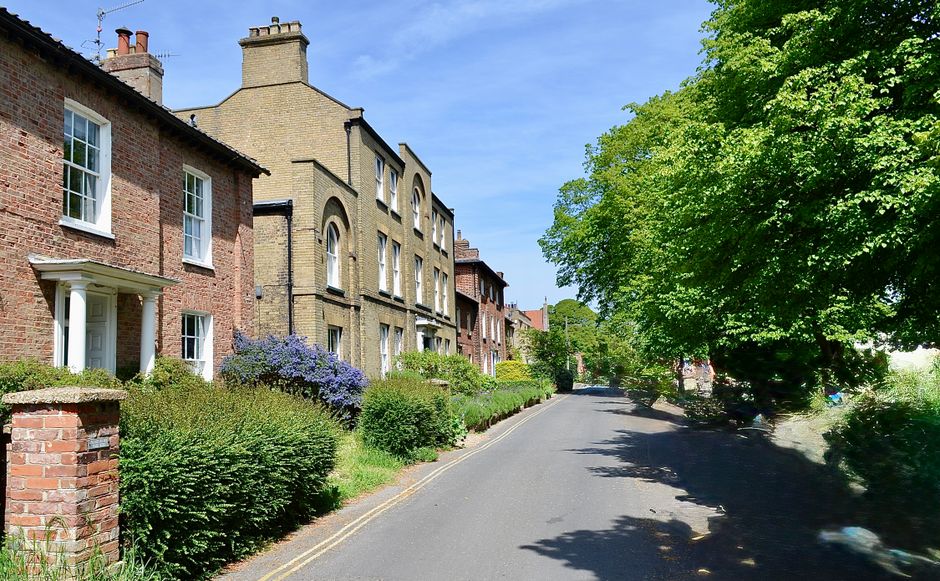
Uxbridge Road House Removals Guide for Narrow Roads
Moving house on or near Uxbridge Road can be straightforward on paper and awkward in real life. The road is busy, side streets can be tight, parking is rarely generous, and a standard removal truck may not have the easiest time getting close to your front door. That is exactly why a practical Uxbridge Road house removals guide for narrow roads matters. It helps you plan access, reduce delays, protect your furniture, and keep the whole day calm enough to breathe properly. A good move is never just about lifting boxes; it is about making the street work for you, not against you.
In this guide, you will find a clear step-by-step approach to moving from a narrow road property, what to check before moving day, which mistakes tend to cause the most trouble, and when a smaller vehicle, additional storage, or a more flexible service makes sense. If you are comparing moving options, you may also want to look at our house removals and local removals services while you plan.
Expert takeaway: On narrow roads, the move is won before the van arrives. Measure, plan parking, agree on carrying distance, and keep a backup option ready. That one bit of preparation saves more stress than people expect.
- Why narrow-road removals matter
- How the move works in practice
- Key benefits of planning ahead
- Who needs this guide
- Step-by-step moving guide
- Expert tips for a smoother move
- Common mistakes to avoid
- Tools, resources and recommendations
- Law, compliance and best practice
- Options and comparison table
- Real-world example
- Practical checklist
- Conclusion
- Frequently asked questions
Why Uxbridge Road house removals guide for narrow roads Matters
Narrow roads change the logic of a house move. On a wide suburban street, a removal team can often park close, open doors fully, and work quickly. On a narrower road, especially around busier parts of West London, that simple flow can disappear fast. Cars may already be parked on both sides, turning space may be limited, and the most sensible place for the van may be further away than you first hoped.
That matters because distance changes everything. Every extra metre from van to front door means more time, more lifting, and more chances for damage. A sofa can scrape a wall. A wardrobe can catch on a gatepost. A tired person carrying a box in drizzle - and yes, London drizzle has a habit of arriving right when you need it least - can lose patience and set the wrong tone for the day.
A narrow-road move also affects neighbours and traffic flow. If the van blocks access for too long, you can get complaints or a frustrating standoff. If there is no space for a larger vehicle, the team may need to shuttle items in smaller loads. None of this is a disaster, but it does need planning. In our experience, people feel much calmer when they know the awkward bits have already been thought through.
This is where choosing the right type of service matters too. Some homes near Uxbridge Road are better suited to a flexible man and van approach, while larger households may still need a full removal team with a split-load plan. Truth be told, the best option is often the one that fits the street, not just the inventory.
How Uxbridge Road house removals guide for narrow roads Works
A good narrow-road move usually follows a practical sequence. First comes access planning, then packing, then vehicle choice, then move-day execution. If any one of those parts is ignored, the rest becomes harder. Simple as that.
Start by assessing the road itself. Can a van stop without causing a full blockage? Is there enough room to open the rear doors safely? Can the team carry items from the van to the property without negotiating a sloping pavement, a tight corner, or a row of parked cars? These are not dramatic questions, but they are the ones that decide whether the day feels controlled or chaotic.
Then think about loading. On a narrow road, the removal team may load the van in a more strategic order, placing the heaviest or most-needed items so they are easier to reach. If access is tricky, packing becomes even more important. Neatly labelled boxes, strong tape, and protected furniture speed up everything. For many households, professional packing services are worth considering because they reduce both time and risk.
Finally, the actual move tends to be more manual and more careful. You may see smaller trolleys, more frequent short carries, and a bit more back-and-forth than on a standard street. That is normal. The goal is not to rush. The goal is to move without damaging the house, the street, or anyone's temper.
Key Benefits and Practical Advantages
A well-planned move on a narrow road gives you more than convenience. It gives you control. And control is worth a lot on moving day, especially when there are keys to return, school runs to juggle, or a chain depending on you to be ready on time.
- Less risk of damage: Shorter carrying routes and better packing reduce knocks, scrapes and dropped items.
- Faster loading decisions: If the team knows access is tight, they can prepare the van layout accordingly.
- Lower stress: You are not discovering problems at the kerb while the clock is ticking.
- Better neighbour relations: Good planning keeps access clear for others and avoids unnecessary friction.
- More realistic timings: A narrow-road job can be booked with a proper buffer instead of an optimistic guess.
There is also a quieter benefit: better decision-making. When you know the road is difficult, you naturally become more selective about what needs to travel immediately and what can wait. That often leads to smarter packing, less clutter, and sometimes a smaller bill. Not always, but often enough to be useful.
If you need temporary space while you work through a tight access move, a service like secure storage can help you split the move into stages. That can be especially useful if your new place is not quite ready, or if you do not want the entire contents of the house squeezed into a narrow street on one day.
Who This Is For and When It Makes Sense
This guide is for anyone moving from a property where access is less than ideal. That could be a terraced house, a converted flat, a maisonette, or a home on a road where parking is usually already taken by resident vehicles. Around Uxbridge Road, you can get a mix of residential streets, busy traffic, and awkward corners. The street may look manageable at 9am and feel completely different by lunchtime.
It makes sense to use this approach if any of the following sound familiar:
- Your street is too narrow for a large van to sit comfortably outside the property.
- There is limited or no private driveway space.
- You live in a flat or upper-floor property with stairs or a shared entrance.
- You have bulky furniture that needs careful handling through tight hallways.
- You need the move done around parking restrictions or loading pressure.
- You are trying to move in a single day but are unsure the van can park close enough.
It is also relevant if you are moving a smaller household and do not need a big truck. In those cases, a more agile service can make more sense than sending a large vehicle into a road that was never really built with removals in mind. If that sounds like your situation, have a look at small removals for a more compact and practical fit.
And for flats in particular, narrow access is almost part of the furniture. If you are moving from or to an upper-level property, our flat removals page may also be useful alongside this guide.
Step-by-Step Guidance
Here is the part people usually want first: what should you actually do? Let's break it down into clear steps.
- Walk the route from van to door. Do this in daylight if possible. Look for tight gates, low branches, steps, bollards, steep kerbs, or anything that turns a short carry into a wobble.
- Measure large items. Sofas, beds, wardrobes and appliances are the usual troublemakers. If an item barely fits through your hallway now, it will not suddenly become cooperative on move day.
- Check parking and stopping options. Find out where a van can safely pause. A spot twenty metres further away may be workable; a spot two streets over is a very different story.
- Separate essential items. Keep documents, chargers, medication, keys, and a kettle bag close by. Moving day gets easier when you are not hunting for basics at 8pm.
- Decide what should be loaded first. Heavy, sturdy furniture usually goes in first. Fragile items should be boxed properly and kept easy to reach.
- Label boxes by room and priority. A simple system such as Kitchen / Bedroom / First Night makes the unpacking far less annoying.
- Confirm access details with your mover. Tell them about width limits, parking restrictions, staircases, and any awkward timing windows. No guessing.
- Build in extra time. Narrow-road removals rarely move at the same pace as easy-access jobs. A little buffer saves the whole day from becoming tense.
A useful small habit: put the items you need first near the back of the van last. That way, when you arrive, you are not opening six boxes just to find the bedding. A tiny detail, but one you will appreciate at the end of a long day.
If you are using a broader home moving package, our removals and storage option can be a sensible fit when access problems overlap with timing issues.
Expert Tips for Better Results
There are a few habits that consistently make narrow-road moves smoother. None are complicated. That is the nice part. The trick is to apply them early enough.
1. Treat the street as part of the job
Many people focus entirely on the house and forget the road. But the road is where delays happen. If a van cannot sit close enough, the entire rhythm changes. Think about pedestrian flow, traffic, and where the crew will stand while moving items. That one bit of thinking can prevent a surprising amount of hassle.
2. Protect corners and doorframes before the move starts
A little protection goes a long way. Corner guards, blankets and careful wrapping are simple precautions, especially around stair turns and narrow hallways. It is much easier to prevent a scuff than to apologise for one later.
3. Keep communication short and specific
On the day, a quick sentence like "the van can stop outside the blue gate for about ten minutes" is more helpful than a vague "the street is a bit tricky." Specifics help the crew make better decisions fast.
4. Prepare a fallback plan
If the main vehicle cannot access the property, what happens next? Could a smaller vehicle shuttle items? Could you stage some boxes inside? Could you move non-essentials later? Having a Plan B does not mean you expect failure. It just means you are sensible.
5. Be realistic about your own energy
Narrow-road moves are more tiring than they look. There is more carrying, more stopping, more decision-making. If you can, reduce the load by using a professional service, extra packing help, or short-term storage. Your back will thank you. Quietly, but definitely.
For people who only need a smaller, simpler transport solution, man and van can be the most practical approach. It tends to work well where flexibility matters more than sheer vehicle size.
Common Mistakes to Avoid
Most moving day problems on narrow roads come from the same few oversights. To be fair, they are understandable oversights. But they are also avoidable.
- Assuming the van will fit easily: A road can look fine until the vehicle arrives.
- Forgetting about parking limits: A loading bay, permit, or time restriction can change the plan quickly.
- Packing too late: Last-minute boxes are usually weaker, heavier, and less organised.
- Not measuring bulky furniture: This is how people discover a sofa is only half the story and the stairwell is the other half.
- Underestimating carry distance: A long walk from van to door adds fatigue and cost.
- Leaving fragile items unprotected: Tight spaces are unforgiving.
- Failing to tell the mover about access issues: The team cannot plan for what they do not know.
One of the most common mistakes is also one of the most human: people tell themselves, "We'll manage on the day." Sometimes you will. Often you will not in the way you imagined. Better to solve the tricky bit on Tuesday than improvise it under pressure on Saturday morning.
Another quiet mistake is ignoring the emotional load. House moves are tiring, yes, but they are also mentally noisy. Small frustrations can snowball. Keeping the access plan simple helps protect your mood as much as your furniture.
Tools, Resources and Recommendations
You do not need a van full of specialist kit to handle a narrow-road move, but a few tools make life easier. These are the practical basics worth having on hand.
- Strong boxes and tape: Reinforced boxes and quality tape prevent collapse during tight carries.
- Furniture covers or blankets: Ideal for tables, wardrobes and sofas when turning corners.
- Marker pens and labels: Clear room labels save time at unload.
- Measuring tape: Essential for checking doorways, stairwells and awkward items.
- Protective gloves: Useful for grip and for those inevitable rough edges.
- Dolly or sack truck: Helpful for moving heavier boxes over short distances.
- Phone flashlight: A small thing, but dark hallways and dim stairwells have a way of hiding problems.
For some households, the right tool is actually storage. If access at one end of the move is awkward, or if completion dates do not line up neatly, short-term storage can take pressure off the day. If your move is more open-ended, long-term storage may be more appropriate. Different problems, different fixes.
Household items can also be split by what you truly need straight away. If there are surplus pieces, seasonal items or furniture you are not ready to place yet, furniture storage can keep things safer than leaving them piled in a narrow hallway for a week. Nobody enjoys living around stacked chairs. Not really.
Law, Compliance, Standards, or Best Practice
For a house removal on a narrow road, the main compliance concerns are usually practical rather than legalistic. You may need to respect parking restrictions, loading rules, access arrangements, and general road safety. Local conditions matter here, and it is wise to check any permit or bay requirements well ahead of time rather than assuming informal stopping will be fine.
Removal teams also have duties around safe handling, vehicle safety, and protecting people and property during the move. Good practice generally includes:
- safe lifting techniques and team handling for heavy items,
- clear walkways and sensible load distribution,
- care around windows, walls, floors and communal areas,
- transparent communication about access difficulties,
- insurance that is appropriate to the work being carried out.
If you are comparing providers, it is sensible to look at their public information on health and safety and insurance and safety. That does not solve every access issue, of course, but it does tell you something about how seriously they take the job. And on a narrow road, seriousness is helpful.
Best practice also means giving clear, accurate information. If the van cannot park outside, say so. If there are staircases, say so. If there is no lift, say so. The more precise you are, the better the plan will be. That is not bureaucracy; it is just common sense.
Options, Methods, or Comparison Table
There is rarely one perfect way to move on a narrow road. The best method depends on the amount of furniture, the road width, the parking situation, and how much flexibility you need. Here is a simple comparison.
| Option | Best for | Strengths | Watch-outs |
|---|---|---|---|
| Full house removal | Larger households with several rooms of furniture | Efficient for bigger loads, coordinated team support | May need more access planning on narrow streets |
| Man and van | Smaller homes, quick jobs, flexible loading | More manoeuvrable, often practical on tight roads | May require more trips for larger loads |
| Small removals | Limited items or partial moves | Simple, quick, less pressure on narrow access | Not ideal for full-house contents |
| Removals with storage | Moves with timing gaps or access constraints | Helps stage the move, reduces same-day pressure | Requires a little more coordination |
If you are in a flat or upper-floor property with difficult access, combining a move with storage can be a smart compromise. For some households, that means using removals in stages rather than trying to force everything into one overly ambitious day. Sometimes the calmer option is also the wiser one.
Case Study or Real-World Example
Imagine a typical move near Uxbridge Road: a two-bedroom terraced house with a narrow street, parked cars on both sides, and a stairwell that turns sharply halfway up. The van cannot sit directly outside for the whole day, so the team has to work in short windows. The sofa is big, the wardrobe is awkward, and the neighbour's car is parked just a little too close to the kerb. Of course it is.
In a move like this, the successful approach usually looks like the following:
- the mover is warned in advance about access limits,
- boxes are labelled by room and priority,
- bulky furniture is wrapped before the van arrives,
- a smaller vehicle or flexible loading strategy is used if needed,
- the first unload at the new property focuses on essentials, not everything at once.
The result is not flashy. That is the point. The day stays manageable, nobody is sprinting with a lamp under one arm and a duvet under the other, and the property is moved with much less friction. A few careful decisions early on can save a surprising amount of energy later. You really do feel that difference by late afternoon, when the kettle finally appears and the room stops looking like a cardboard mountain.
That kind of move is also a good reminder that not every house removal needs the same setup. A narrow-road job may be better served by splitting the load, using storage, or choosing a smaller service rather than insisting on the biggest van available.
Practical Checklist
Use this checklist before moving day. It is simple, but useful.
- Measured large furniture and checked doorway widths
- Confirmed where the van can stop safely
- Checked parking, loading, and access restrictions
- Warned the mover about narrow roads or tight turns
- Protected fragile items and wrapped furniture
- Labelled boxes by room and priority
- Separated essentials for the first 24 hours
- Prepared a backup plan if the van cannot park directly outside
- Considered storage if timings or access are uncertain
- Kept valuables and key documents with you
If you are still weighing options, you may also want to compare household storage with moving everything in one go. For some families, a smaller first load plus storage is far less stressful than forcing a packed house through a difficult street in one afternoon.
Get a free quote today and see how much you can save.
Conclusion
Moving on a narrow road near Uxbridge Road does not have to be a headache. It just needs a more thoughtful approach than a standard driveway move. Once you plan the access, pack properly, choose the right vehicle size, and build in a bit of time, the whole process becomes far more predictable. Not easy, exactly. But manageable. And that is what most people really want on moving day.
Whether you are shifting from a flat, a terraced house, or a family home with awkward access, the key is to treat the street as part of the move. Do that, and everything else gets easier. A bit less noise, a bit less panic, a bit more control. Honestly, that is a pretty good trade.
And if you want a move that feels properly planned rather than improvised at the kerb, start with the right help and the right preparation. It makes all the difference.
Frequently Asked Questions
How do I know if my road is too narrow for a removal van?
If a van cannot stop without blocking traffic, opening doors safely, or leaving enough room for people and parked cars, the road may be too tight for a standard setup. A site visit or careful walk-through usually clears this up before moving day.
Should I choose a man and van service for a narrow road move?
Often, yes, if the property is small, the access is limited, or flexibility matters more than volume. A smaller vehicle can be easier to position on a narrow road and may reduce stress.
What is the biggest risk with house removals on narrow roads?
The biggest risk is usually delay, followed closely by accidental damage during long carries or tight turns. Parking problems can also create pressure that makes the rest of the day harder.
Can a full house removal still work on a tight street?
Yes, it can. It just needs better planning. The mover may use a different loading order, additional carrying equipment, or shuttle runs if the main vehicle cannot stay close to the property.
Do I need storage if my new home is on a narrow road?
Not always, but storage helps when access is awkward, dates do not line up, or you want to split the move into smaller parts. It can remove a lot of pressure from the day.
What should I tell the removals team before booking?
Tell them about road width, parking restrictions, staircases, lifts, heavy furniture, and any distance between the van and the door. Specific details help them plan properly.
How far in advance should I plan a narrow-road move?
As early as possible. Even if the move itself is weeks away, access planning should start early so you have time to check parking, measure bulky items, and prepare for any restrictions.
Is packing more important when the road is narrow?
Yes, because the move often takes longer and involves more handling. Strong boxes, neat labelling, and proper wrapping matter more when the carry distance is longer or the route is awkward.
What if the van cannot park outside my house on the day?
That is where a backup plan helps. The team may use a nearby stopping point, shuttle items in smaller loads, or adjust the unloading sequence. A little flexibility goes a long way.
Are narrow-road removals more expensive?
They can be, depending on extra time, distance, vehicle access, and the amount of manual handling required. The cost is usually influenced by the complexity of the access rather than the postcode alone.
How can I make the move faster on a narrow street?
Label boxes clearly, clear hallways, protect furniture in advance, and make sure essentials are separate. Also, give the mover precise access information. It sounds basic, but it saves time in a real way.
What type of property most often needs this kind of planning?
Terraced houses, upper-floor flats, and homes on busy residential roads with limited parking often need this kind of planning. Around Uxbridge Road, that mix is fairly common, so it pays to be prepared.